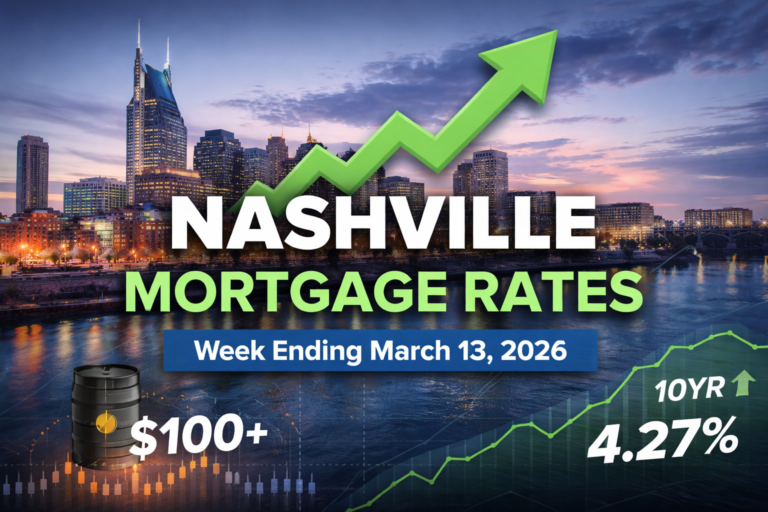
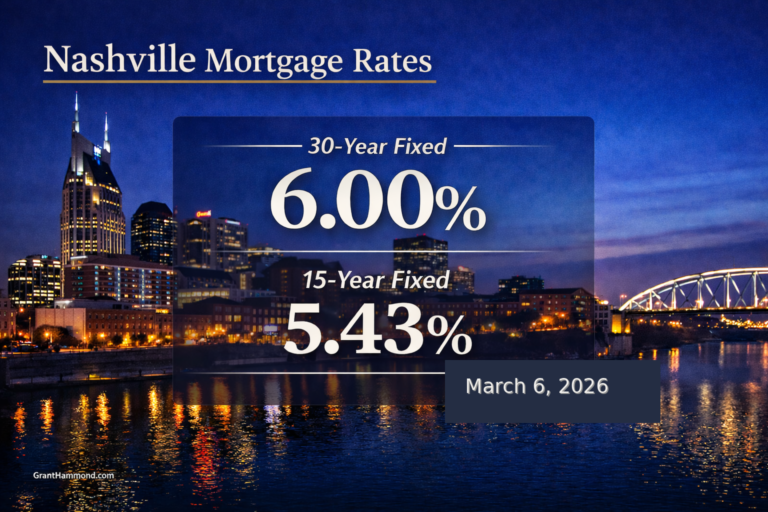
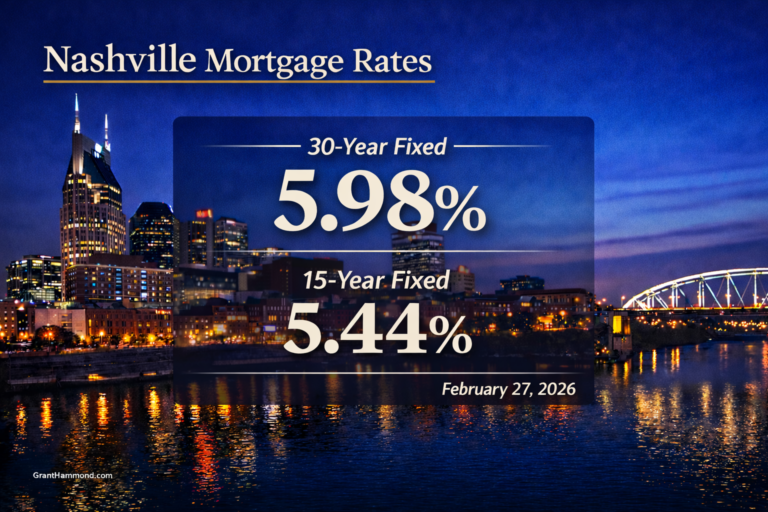
After 2 weeks of sharp movement in opposite directions, mortgage rates moved higher again. Freddie Mac reported that the 30 year fixed mortgage rose to 6.46% from 6.04% the prior week.
The 15 year fixed rate increased to 6.19%. The five year hybrid adjustable rate climbed to 6.36%, and the one year ARM rose to 5.38%.
Historical Context
This article was originally published during the mid 2000s housing and credit market transition. The figures below reflect rate volatility and credit market conditions during that period.
Volatility Clusters in Transitional Markets
Periods of economic uncertainty often produce clustered volatility in bond markets. Rates can rise sharply one week, retrace the next, and then reverse again as new information is absorbed.
Long term mortgage rates tend to move in tandem with Treasury yields. When bond markets react to shifting growth or inflation expectations, mortgage pricing adjusts accordingly.
For a broader explanation of how Treasury markets influence weekly mortgage volatility, review our Nashville mortgage rates today page.
Residential Versus Commercial Credit Conditions
While short term policy rates remained low following Federal Reserve cuts, credit conditions tightened unevenly across sectors.
Residential mortgage markets experienced volatility but retained secondary market liquidity. Commercial real estate financing, however, often depends more directly on institutional credit conditions and risk appetite.
During transitional cycles, divergence between residential and commercial credit markets can widen. Understanding this separation is important when evaluating broader real estate financing trends.
Mortgage rate swings should be interpreted within the larger framework of credit availability, liquidity, and macroeconomic sentiment.